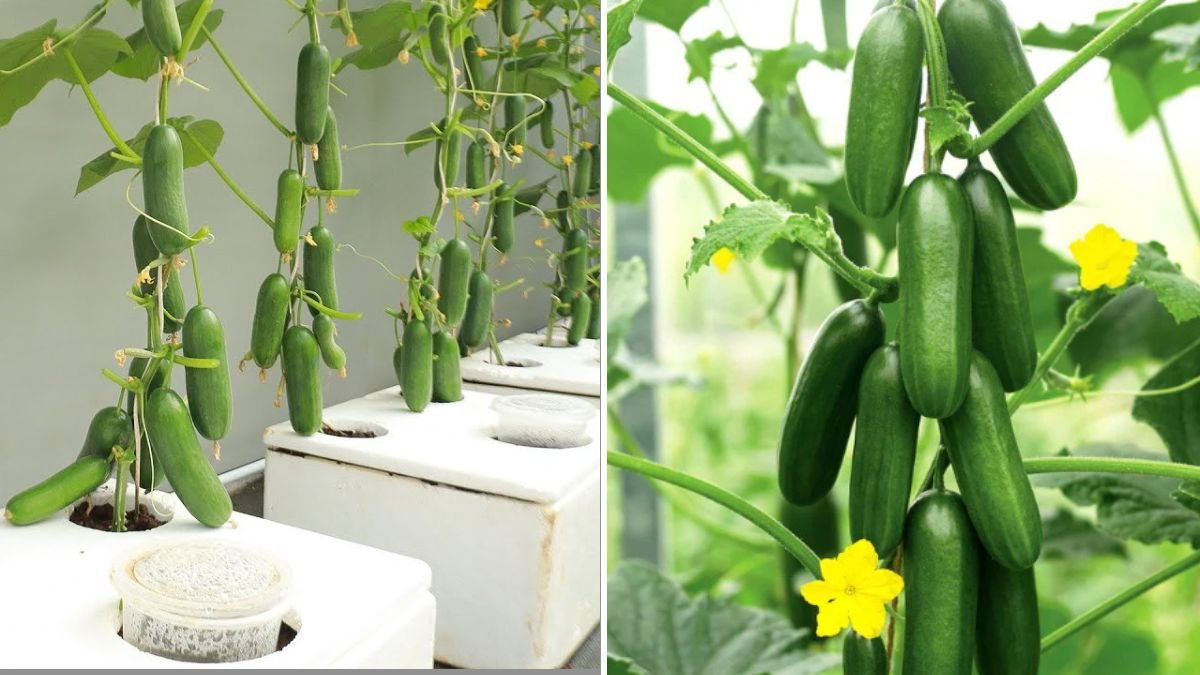
Cucumbers are one of the most popular and refreshing vegetables in kitchens worldwide. Whether used in salads, sandwiches, or pickles, their crisp texture and subtle flavor make them versatile and highly sought-after. But home gardeners often face challenges with cucumber cultivation — low yield, pest problems, and inconsistent fruiting.
The viral YouTube video “Unbelievably abundant fruit – New method to grow cucumbers at home” introduces an innovative approach that allows gardeners to produce a bountiful cucumber harvest in small spaces, with minimal effort and maximum results. By applying this method, even beginners can enjoy fresh, homegrown cucumbers in abundance.
This guide will walk you step by step through the process, from seed selection to harvesting, and tips for maintaining healthy, high-yielding cucumber plants.
Why Grow Cucumbers at Home?
Growing cucumbers at home offers numerous benefits:
Fresh and organic: Enjoy chemical-free produce straight from your garden.
Cost-effective: Save money on store-bought cucumbers.
Space-saving: Suitable for small gardens, balconies, and container setups.
High productivity: With the right technique, one vine can produce dozens of cucumbers.
Educational and rewarding: Perfect for beginners and children learning about gardening.
By growing cucumbers at home, you gain control over soil, water, and nutrients, ensuring crisp, juicy, and healthy fruits.
Step 1: Choosing the Right Cucumber Variety
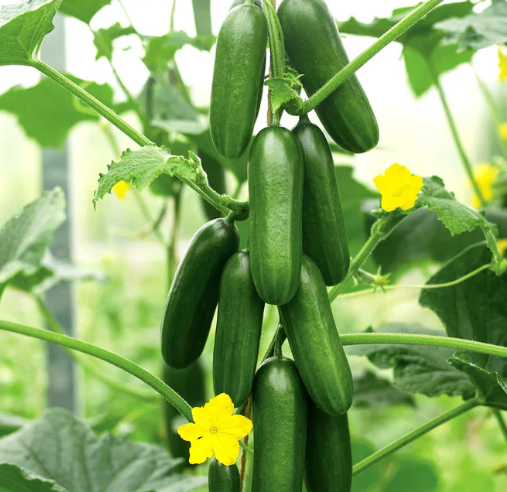
Selecting the right variety is crucial for abundant fruit production.
Recommended cucumber varieties:

- Japanese Cucumbers: Slim, tender, and high-yielding.
- Marketmore 76: Resistant to pests and diseases.
- Lemon Cucumbers: Round, sweet, and decorative.
- Hybrid varieties: Many hybrids are bred for prolific fruiting and disease resistance.
Tips:
- Choose seeds from a reputable nursery or store.
- Select varieties suited to your climate.
- Look for disease-resistant or high-yielding types for best results.
Step 2: Preparing the Seeds
Healthy seeds ensure strong seedlings and productive plants:
Steps for preparation:
- Soak seeds in lukewarm water for 6–8 hours to soften the seed coat.
- Optional: Use a natural rooting enhancer like aloe vera juice to encourage germination.
- Sow seeds in seed trays or small pots with well-draining seed-starting mix.
Seedlings usually emerge within 5–10 days, depending on variety and temperature.
Step 3: Preparing Containers or Garden Beds
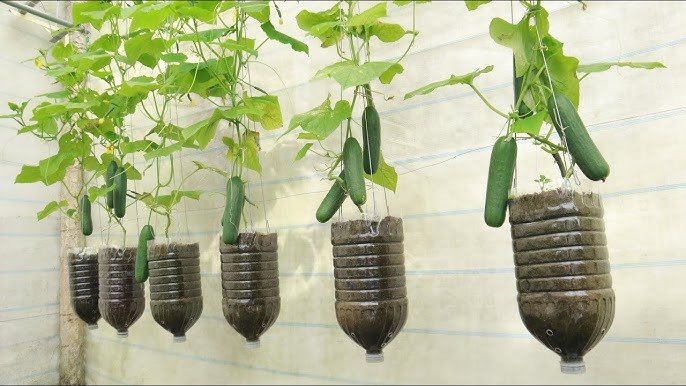
The new method showcased in the video emphasizes space-efficient planting using containers or vertical structures.
Container gardening:
- Use large pots or grow bags with drainage holes.
- Fill with nutrient-rich, well-draining soil.
- Ideal container size: 12–18 inches deep and 12–15 inches wide.
Garden beds:
- Choose sunny locations that receive at least 6–8 hours of sunlight.
- Prepare soil by mixing compost or well-rotted manure to improve fertility.
- Ensure proper drainage to avoid root rot.
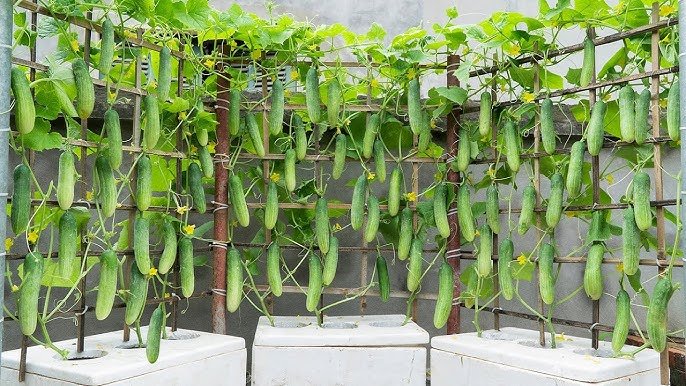
The method also promotes vertical trellising to save space and increase fruit yield.

Step 4: Soil Preparation
Cucumbers thrive in fertile, well-draining soil with a slightly acidic to neutral pH (6.0–7.0).
Recommended soil mix:
- 40% garden soil or loamy soil
- 30% compost or organic manure
- 20% sand or perlite for drainage
- 10% coco peat or peat moss to retain moisture
Mix thoroughly before planting to create an ideal environment for root growth and high productivity.
Step 5: Planting the Seedlings
Once seedlings have developed 2–3 true leaves:
- Transplant into containers or garden beds, keeping the root ball intact.
- Space plants 12–18 inches apart to allow for vine growth.
- Water thoroughly after planting.
- Place in full sunlight to encourage strong growth.
Proper planting ensures healthy plants and maximum fruit production.
Step 6: Supporting the Vines
Cucumbers are climbing plants that benefit from support structures:
Support options:
- Trellis or netting for vertical growth
- Bamboo stakes arranged in a teepee shape
- Wire mesh against walls or fences
Benefits of vertical growth:

- Saves space in small gardens
- Improves air circulation, reducing disease risk
- Makes harvesting easier
- Leads to cleaner, straighter fruits
Step 7: Watering and Moisture Management
Cucumbers require consistent moisture for optimal growth:
- Water deeply 2–3 times per week, depending on climate.
- Avoid overwatering; soggy soil can cause root rot.
- Mulch around the base to conserve soil moisture and suppress weeds.
Pro Tip: Early morning watering ensures leaves dry quickly, preventing fungal infections.
Step 8: Fertilization and Nutrient Care
Cucumbers are heavy feeders and respond well to regular feeding:
- At planting: Mix compost or organic fertilizer into the soil.
- Every 2–3 weeks: Apply liquid compost or organic fertilizer around the base.
- During flowering and fruiting: Add potassium-rich fertilizer to improve fruit size and yield.
Organic options like vermicompost, banana peel powder, or neem cake work exceptionally well.
Step 9: Flowering and Pollination
Cucumber plants produce both male and female flowers:
- Male flowers appear first, followed by female flowers that develop into fruits.
- Bees and insects naturally pollinate, but hand-pollination can increase fruit set in indoor or protected gardens.
- Gently transfer pollen from male to female flowers using a soft brush.
Proper pollination is crucial for high fruit production.
Step 10: Pest and Disease Management
Cucumbers are susceptible to pests like aphids, whiteflies, and spider mites, and diseases such as powdery mildew.
Organic solutions:

- Spray neem oil or insecticidal soap weekly.
- Remove infected leaves promptly.
- Ensure proper spacing and good air circulation.
- Avoid overhead watering to reduce fungal problems.
Healthy plants with minimal stress produce more fruit and better quality cucumbers.
Step 11: Harvesting Cucumbers
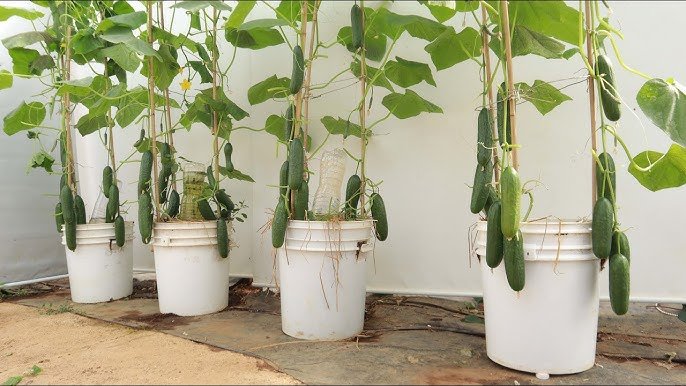
With proper care, cucumbers can be harvested in 50–70 days, depending on variety:
- Harvest fruits when they are firm, green, and the desired size.
- Use scissors or pruning shears to avoid damaging the vine.
- Regular harvesting encourages continuous flowering and fruiting.
The method in the video demonstrates that even small spaces can yield abundant cucumbers, making home gardening extremely rewarding.
Step 12: Advantages of the New Method
This approach offers multiple benefits for home gardeners:
Space-efficient: Vertical growth maximizes yield in limited areas.
High productivity: One vine can produce dozens of cucumbers.
Cost-effective: Requires minimal investment in containers or trellises.
Beginner-friendly: Easy to follow and maintain.
Eco-friendly: Encourages sustainable gardening practices.
Even beginners can achieve unbelievably abundant harvests with this method.
Step 13: Tips for Maximum Yield
- Ensure full sunlight for at least 6–8 hours per day.
- Fertilize regularly with organic nutrients.
- Mulch to retain moisture and suppress weeds.
- Support vines properly to prevent breakage.
- Monitor for pests and diseases and act promptly.
- Harvest fruits regularly to encourage continuous production.
Following these tips guarantees healthy plants and bountiful cucumbers.
Step 14: Uses of Homegrown Cucumbers
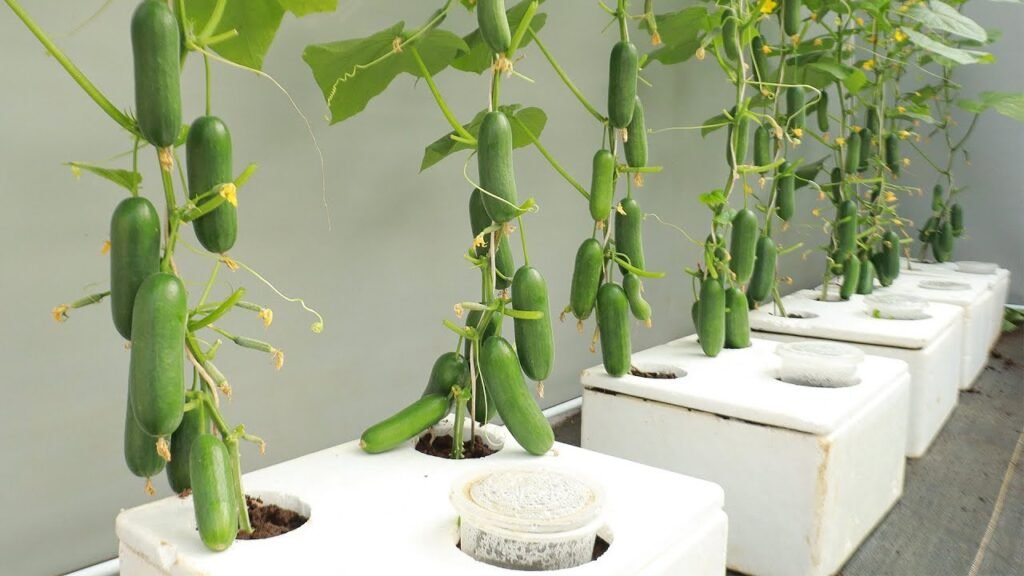
Homegrown cucumbers are versatile and nutritious:

Fresh salads and sandwiches
Pickles and preserves
Juices and smoothies
Cold soups like gazpacho
Garnish for various dishes
Fresh, homegrown cucumbers are crisp, flavorful, and free from chemicals, making them superior to store-bought options.
Conclusion: Achieve an Abundant Cucumber Harvest at Home
The YouTube video “Unbelievably abundant fruit – New method to grow cucumbers at home” shows that with proper techniques, vertical support, consistent care, and fertilization, it is possible to harvest an abundance of cucumbers even in small spaces.
By following these steps — seed selection, soil preparation, vertical planting, watering, fertilization, and pest management — you can enjoy fresh, homegrown cucumbers all season long.
Start today — with a little effort and this innovative method, your garden can yield unbelievably abundant cucumbers, bringing freshness, health, and flavor to your kitchen.