
Lasagna is one of those comfort foods that brings warmth, flavor, and satisfaction to any meal. While traditional lasagna often features meat, a vegetable version is equally delicious, hearty, and perfect for vegetarians or anyone looking to enjoy a lighter yet flavorful dish. This 7-step guide will help you make a vegetable lasagna that is rich in taste, easy to prepare, and impressive enough to serve to family and guests.
Step 1: Gather Your Ingredients

Before starting, having all your ingredients ready makes the cooking process smooth and enjoyable. Here’s a list of essentials for a delicious vegetable lasagna:
Vegetables:
- Zucchini or yellow squash, thinly sliced
- Spinach or kale, roughly chopped
- Mushrooms, sliced
- Bell peppers, diced
- Carrots, shredded
- Onions, finely chopped
- Garlic, minced
Other Essentials:
- Lasagna sheets (regular, no-boil, or whole wheat)
- Ricotta cheese (or cottage cheese for a lighter option)
- Mozzarella cheese, shredded
- Parmesan cheese, grated
- Tomato sauce or marinara sauce
- Olive oil
- Salt and pepper
- Italian herbs (basil, oregano, thyme)
- Optional: red pepper flakes for a spicy kick
Tip:
Use fresh, seasonal vegetables for the best flavor, or mix frozen vegetables if convenience is preferred.
Step 2: Prepare the Vegetables
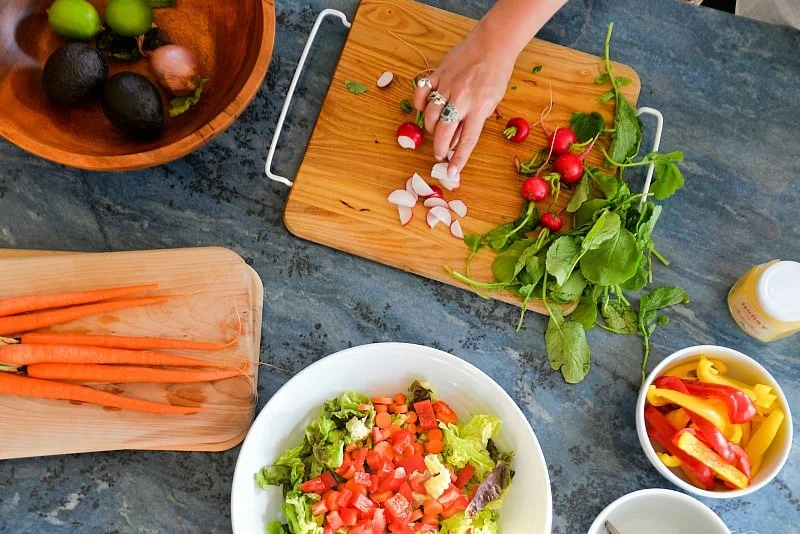
Properly preparing your vegetables ensures the lasagna layers are flavorful and well-cooked.

Instructions:
- Sautéing: Heat olive oil in a large pan over medium heat. Add onions and garlic first, sautéing until soft and fragrant.
- Add Harder Vegetables: Add carrots, bell peppers, and mushrooms. Cook for 5–7 minutes until they start to soften.
- Leafy Greens: Stir in spinach or kale and cook until wilted.
- Season: Add salt, pepper, and a sprinkle of Italian herbs to taste.
Tip:
Avoid overcooking vegetables—they should be tender but still hold their shape, ensuring each layer has texture.
Step 3: Prepare the Cheese Mixture

Cheese adds creaminess and flavor, binding the lasagna layers together.
Ingredients for Cheese Mixture:
- 1 cup ricotta cheese
- ½ cup grated Parmesan cheese
- 1 egg (optional, helps with binding)
- 1 teaspoon Italian herbs
Instructions:
- In a bowl, mix ricotta, Parmesan, and egg until smooth.
- Stir in Italian herbs and a pinch of salt and pepper.
Tip:
If you prefer a vegan option, substitute ricotta with cashew cream or tofu blended with nutritional yeast and seasoning.
Step 4: Assemble the Lasagna Layers

Layering is key to a well-structured, visually appealing lasagna.

Instructions:
- Preheat the oven to 375°F (190°C).
- Spread a thin layer of tomato sauce at the bottom of a 9×13-inch baking dish.
- Place a layer of lasagna sheets over the sauce.
- Spread a portion of the sautéed vegetables evenly over the sheets.
- Dollop and spread the cheese mixture over the vegetables.
- Repeat the layers: sauce → lasagna sheets → vegetables → cheese mixture until all ingredients are used. Finish with a layer of sauce on top.
Tip:
Make sure the top layer has plenty of sauce to prevent the lasagna sheets from drying out while baking.
Step 5: Add Toppings

Toppings give the lasagna a golden, flavorful finish.
Instructions:
- Generously sprinkle shredded mozzarella and Parmesan cheese over the top layer.
- Optionally, add a few herbs like fresh basil or oregano for extra aroma.
Tip:
For a crispy top, broil the lasagna for 2–3 minutes at the end of baking, keeping a close eye to prevent burning.
Step 6: Bake the Lasagna
Baking brings all the flavors together and ensures the layers meld beautifully.

Instructions:
- Cover the baking dish with aluminum foil to retain moisture.
- Bake in a preheated oven at 375°F (190°C) for 25–30 minutes.
- Remove the foil and bake for an additional 10–15 minutes until the top is golden and bubbly.
Tip:
Let the lasagna rest for 10 minutes after baking. This allows the layers to set, making it easier to cut and serve.
Step 7: Serve and Enjoy
Presentation and garnishing elevate the lasagna experience.
Instructions:
- Slice the lasagna into even portions using a sharp knife.
- Garnish with fresh basil, chopped parsley, or a light drizzle of olive oil.
- Serve with a side salad or garlic bread for a complete meal.
Tip:
Leftovers can be stored in the refrigerator for up to 3–4 days or frozen for longer shelf life. Reheat in the oven for best results, maintaining the crispy top layer.
Additional Tips for a Perfect Vegetable Lasagna
- No-Boil vs. Regular Lasagna Sheets: No-boil sheets save time and absorb moisture from the sauce, while regular sheets may require pre-cooking.
- Layering Creativity: Try alternating thinly sliced roasted zucchini or eggplant for a more colorful and flavorful variation.
- Sauce Choices: Use homemade tomato sauce or store-bought marinara. For extra flavor, add roasted garlic, chopped tomatoes, or a splash of red wine.
- Extra Creaminess: Add béchamel sauce or a thin layer of cream for a richer texture.
- Spice It Up: Red pepper flakes or a sprinkle of smoked paprika adds a subtle kick to the vegetable layers.
Why Vegetable Lasagna is a Great Choice
- Healthy: Packed with fresh vegetables, fiber, and vitamins.
- Versatile: Easily adaptable for different diets—vegetarian, vegan, or gluten-free.
- Make-Ahead Friendly: Can be assembled in advance and baked when needed.
- Kid-Friendly: The cheesy layers make it appealing to children while sneaking in extra veggies.
- Comforting: Warm, hearty, and perfect for family dinners or potlucks.
Vegetable lasagna combines flavor, nutrition, and convenience, making it a versatile addition to your cooking repertoire.

Conclusion
Making vegetable lasagna doesn’t have to be complicated. By following this 7-step guide—selecting fresh vegetables, preparing a flavorful cheese mixture, layering carefully, baking to perfection, and serving with garnishes—you can create a delicious, satisfying dish that appeals to vegetarians and meat-eaters alike.
This hearty, flavorful lasagna is ideal for weeknight dinners, special occasions, or holiday meals. It’s not only visually appealing but also packed with wholesome ingredients, making it both comforting and nutritious. With practice, you can customize your vegetable lasagna with seasonal produce, different cheeses, or your favorite herbs, ensuring each version is unique and delicious.
Next time you crave comfort food, consider this vegetable lasagna recipe—it’s simple, tasty, and guaranteed to impress family and friends.