
Vegetable Biryani is a quintessential Indian dish, celebrated for its aromatic layers of rice, colorful vegetables, and fragrant spices. Perfect for festive occasions, weekend family meals, or special dinners, biryani is both hearty and flavorful. While it may seem complex, making vegetable biryani at home is easier than you think. With the right technique and attention to flavor, you can create a restaurant-quality dish in your own kitchen.
This guide breaks down the process into 6 easy steps to cook delicious, aromatic Vegetable Biryani that will impress everyone at the table.
Step 1: Gather Fresh Ingredients
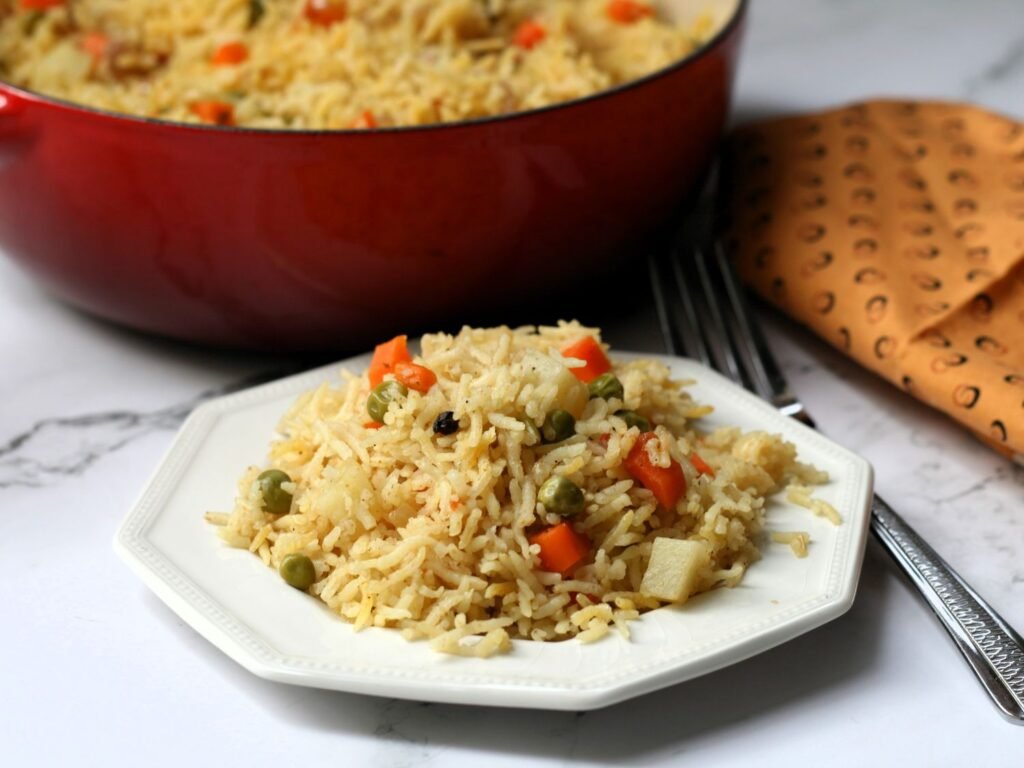
The first step in preparing an exceptional vegetable biryani is using fresh, high-quality ingredients.
Ingredients You’ll Need:
- Basmati Rice: 2 cups, soaked for 30 minutes
- Mixed Vegetables: 1–1.5 cups (carrots, beans, peas, cauliflower, bell peppers)
- Onions: 2 medium, thinly sliced
- Tomatoes: 1 medium, chopped
- Ginger-Garlic Paste: 1 tablespoon
- Green Chilies: 2–3, slit lengthwise
- Yogurt: ¼ cup
- Fresh Coriander & Mint Leaves: ¼ cup each, chopped
- Whole Spices:
- Bay leaf – 1
- Cloves – 4–5
- Green cardamoms – 4–5
- Cinnamon stick – 1 inch
- Star anise – 1 (optional)
- Black peppercorns – 6–8
- Ground Spices:
- Turmeric powder – ½ teaspoon
- Red chili powder – 1 teaspoon
- Coriander powder – 1 teaspoon
- Garam masala – 1 teaspoon
- Ghee or Oil: 3 tablespoons
- Saffron: A few strands soaked in 2 tablespoons warm milk
- Salt: To taste
- Water: 4 cups for cooking rice
Tip: Soaking the rice prevents breakage and ensures fluffy grains.

Step 2: Prepare the Rice
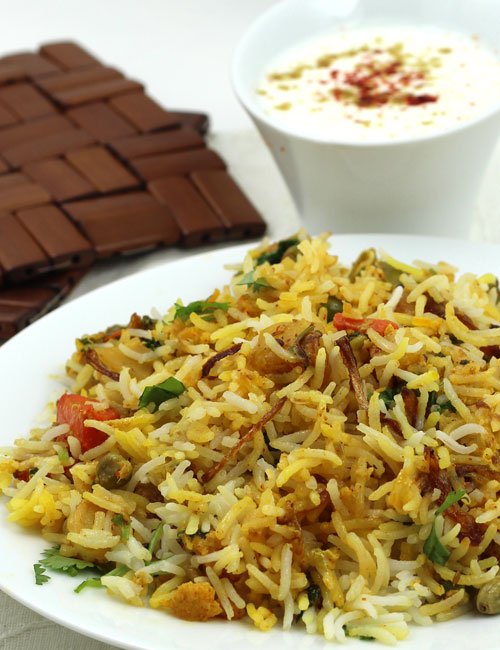
Fluffy, fragrant rice is the backbone of perfect biryani.
Instructions:
- Rinse and Soak:
- Wash 2 cups of basmati rice in running water until water runs clear.
- Soak in water for 30 minutes to 1 hour.
- Parboil the Rice:
- Bring 4 cups of water to a boil in a large pot.
- Add 1 teaspoon salt and half of the whole spices (bay leaf, cardamoms, cloves, cinnamon).
- Add soaked rice and cook until 70% done. Grains should still have a slight bite.
- Drain and set aside.
Tip: Parboiling prevents rice from becoming mushy when layered with vegetables later.
Step 3: Cook the Vegetables and Masala

Vegetables should be cooked just enough to retain their texture while absorbing the spices.
Instructions:
- Heat Ghee or Oil:
- In a heavy-bottomed pan, heat 3 tablespoons ghee or oil.
- Add the remaining whole spices and sauté for 1–2 minutes until aromatic.
- Sauté Onions:
- Add thinly sliced onions and cook until golden brown.
- Remove a few fried onions for garnishing at the end.
- Add Ginger-Garlic and Green Chilies:
- Sauté for 1–2 minutes until the raw smell disappears.
- Cook Vegetables:
- Add chopped vegetables and cook on medium heat for 3–4 minutes.
- Stir in chopped tomatoes and cook until they soften.
- Spice Mix:
- Add turmeric, red chili, coriander powder, and salt.
- Mix well and cook for another 2 minutes.
- Add Yogurt and Fresh Herbs:
- Reduce heat and fold in yogurt, half of the chopped coriander, and mint leaves.
- Cook for 2–3 minutes until the vegetables are coated in a flavorful masala.
Tip: Avoid overcooking vegetables; they will finish cooking during the layering process.

Step 4: Layer the Biryani

Layering is key to creating the signature texture and flavor of biryani.
Instructions:
- First Layer:
- In a heavy-bottomed pot, spread half of the partially cooked rice evenly.
- Vegetable Layer:
- Add the cooked vegetable mixture on top of the rice layer.
- Second Rice Layer:
- Cover with the remaining rice, spreading it evenly.
- Add Saffron Milk and Fried Onions:
- Drizzle saffron-infused milk over the top layer of rice.
- Sprinkle the reserved fried onions, and the remaining chopped mint and coriander leaves.
- Optional Ghee Drizzle:
- Add 1–2 teaspoons of ghee over the top for extra richness.
Tip: Layering ensures the flavors blend while keeping the rice fluffy and separate.
Step 5: Dum Cooking (Slow Cooking)

Dum cooking allows the rice to absorb the flavors of the vegetables and spices.
Instructions:
- Seal the Pot:
- Cover the pot with a tight-fitting lid.
- For an airtight seal, place a layer of dough around the lid edges (optional but traditional).
- Slow Cook:
- Cook on very low heat for 20–25 minutes.
- Alternatively, place a heavy pan underneath to diffuse heat evenly.
- Resting:
- Turn off the heat and let the biryani rest for 5–10 minutes before opening.
Tip: Avoid stirring while cooking; this prevents rice from breaking and preserves the layered texture.

Step 6: Serve and Garnish
Presentation enhances both appeal and taste.
Instructions:
- Gently Fluff:
- Use a fork to gently mix rice and vegetables while keeping the grains intact.
- Garnish:
- Top with fried onions, chopped coriander, mint leaves, and a few saffron strands.
- Accompaniments:
- Serve hot with raita, pickle, or salad for a complete meal.
- Pair with papadums or boiled eggs if desired.
Tip: A final drizzle of ghee just before serving adds extra aroma and richness.
Extra Tips for Perfect Vegetable Biryani
- Rice Selection: Always use long-grain basmati rice for fluffiness and aroma.
- Even Cooking: Parboil rice and pre-cook vegetables for balanced texture.
- Spice Balance: Adjust chili and garam masala according to your taste.
- Avoid Overcrowding: Use a heavy-bottomed pan to prevent burning during dum cooking.
- Optional Nuts & Raisins: Add roasted cashews or raisins for added flavor and texture.
- Homemade Paneer: For a richer version, add cubes of paneer to the vegetable layer.
Common Mistakes to Avoid
- Overcooking Rice: Leads to mushy biryani; always parboil slightly undercooked.
- Skipping Yogurt: Yogurt adds creaminess and tang; don’t substitute with water.
- Rushing Dum Cooking: Slow, low heat is essential for flavor infusion.
- Skipping Saffron or Herbs: Aromatic layers are what make biryani special.
- Over-Stirring: Breaks rice grains and loses the layered texture.
Tip: Patience and careful layering are the secrets to restaurant-quality vegetable biryani.
Healthier Variations
- Use brown basmati rice for added fiber.
- Reduce ghee or oil for a lighter version.
- Steam vegetables instead of sautéing in oil for fewer calories.
- Add more greens like spinach or fenugreek leaves for extra nutrition.
Tip: Even with healthier swaps, proper spices and layering will ensure the biryani remains flavorful and aromatic.

Final Thoughts
Cooking Vegetable Biryani with fragrant spices at home is simpler than it appears. By following the 6 steps—preparing ingredients, cooking rice, preparing the vegetable masala, layering, slow cooking, and garnishing—you can create a dish that rivals any restaurant.
Homemade biryani is not only flavorful and aromatic but also allows you to control the ingredients, spices, and richness to suit your taste. Serve it hot with raita, salad, or papadums, and enjoy a wholesome, comforting meal that will delight family and friends.